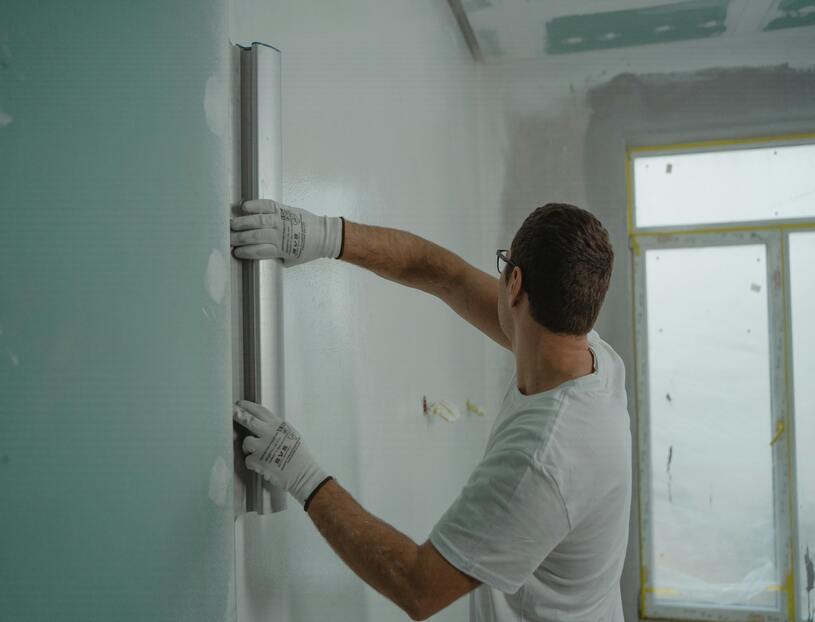
Navigating Your Paris Real Estate Investment and Remote Renovation
The allure of a Paris real estate investment has never been stronger for the discerning global elite. Whether you are arriving from the United States, Italy, or the United Kingdom, the dream of owning a piece of the Historic center is a « timeless ambition » that requires both passion and a high degree of technical precision. For Foreign property buyers in Paris, the journey from the initial search to the final move-in is a multi-stage process that demands a deep understanding of French property law and the unique architectural heritage of the city. From the bustling streets of the Latin Quarter to the quiet elegance of the 16th arrondissement, every Buy apartment in Paris project is a story of meticulous planning and local expertise.
Property hunting in Paris: Navigating the market from abroad
The quest for Luxury apartments Paris often begins with the engagement of a specialist Property hunter Paris who can access Off-market listings that are rarely visible to the general public. These experts act as your eyes and ears on the ground, scouring the Right Bank vs Left Bank to find a Pied-à-terre Paris that aligns with your lifestyle and investment goals. For buyers from Lebanon, China, or Germany, the search often focuses on the Golden Triangle Paris, where the proximity to the Arc de Triomphe and the Champs-Élysées ensures a « premium asset value » that withstands market fluctuations. This initial phase of Property hunting in Paris is critical, as it involves a rigorous vetting process of various Property Types to ensure they meet the specific needs of an international clientele.
Navigating the Paris arrondissement guide is the first step in narrowing down your search. Buyers from Switzerland, Belgium, and Brazil frequently target the Marais district for its medieval charm and proximity to the Place des Vosges. Conversely, those seeking a more residential and family-oriented atmosphere often look toward the 75015 arrondissement, which offers a perfect balance of local commerce and green spaces like the Champ de Mars. Understanding the « Square meter price trends » in these diverse neighborhoods is essential for a successful Selling price negotiation. A savvy investor knows that a Fixer-upper Paris near the Canal Saint-Martin lofts might offer a higher Rental yield Paris than a Turnkey apartment in a more established district, provided the renovation project is managed with care.
The legal framework: Compromis de Vente and the cooling-off period
Once a property is identified, the legal process begins with the signing of the Compromis de vente. This preliminary contract is a « binding commitment » that outlines the terms of the sale, the price, and any suspensive conditions such as obtaining a mortgage. For buyers from Singapore, Portugal, and the United Arab Emirates, understanding the 10-day cooling-off period in France is vital. This period allows the buyer to withdraw from the contract without penalty, providing a « safety net » during the initial acquisition phase. During this time, the Escrow account notaire will hold the deposit, typically 5% to 10% of the purchase price, ensuring a secure transaction under the watchful eye of the French legal system.
The role of the notaire is central to any transaction in France. Unlike in some other jurisdictions, the notaire is a public official who represents the state and ensures the Title deed transfer is legally sound. Notaire fees in France are structured by law and generally range from 7% to 8% for « existing properties, » covering taxes, land registry fees, and the notaire’s own remuneration. For investors from Israel, Ireland, and Canada, it is important to factor these costs into the overall Apartment valuation to avoid surprises. The pre-purchase due diligence performed by the notaire includes checking for any « rights of first refusal » by the City of Paris, a common occurrence in areas undergoing urban renewal.
Technical assessments: Loi Carrez and DDT diagnostics
In the world of Parisian real estate, precision is everything. The Loi Carrez measurement standards mandate that the exact livable square footage of an apartment be disclosed in the contract. For Foreign property buyers in Paris, this measurement is the « basis of value, » as it excludes areas with a ceiling height of less than 1.80 meters, such as some parts of Artist studios or Loft conversions. An accurate Loi Carrez certificate is essential to prevent future disputes and to ensure that the Renovation costs per square meter are calculated on a solid foundation. This is especially relevant in Haussmannian apartments where thick walls and irregular layouts can make surface area estimation a complex task.
Furthermore, every seller must provide a DDT property diagnostics file, which includes reports on lead, asbestos, termites, and the electrical and gas installations. One of the most critical reports in modern times is the DPE energy rating. With the « energy transition » becoming a priority in France, a poor DPE rating can impact the ability to rent out a property under the LMNP status (non-professional furnished landlord). Buyers from Sweden, the Netherlands, and Spain are particularly attuned to these environmental standards, often seeking out properties that allow for the integration of Sustainable building materials during the renovation. Understanding these technical specifications before the Acte de Vente is a hallmark of a sophisticated investor.
Financial strategies: Mortgages and tax structures
Securing financing as an international buyer requires a clear understanding of French banking requirements. While many buyers from Mexico or Algeria may choose to purchase in cash, Mortgages for non-residents are available and can be a « powerful leverage tool » in a climate of Interest rate stabilization. French banks typically require a minimum down payment of 20% to 30% for non-residents and will perform a thorough check of your global financial standing. It is often beneficial to work with a mortgage broker who specializes in Foreign property buyers Paris to navigate the administrative complexities and secure the best possible terms for your Paris real estate investment.
The choice of ownership structure is another crucial decision. Many investors opt for an SCI property company structure (Société Civile Immobilière), which allows for the joint ownership of property and can simplify inheritance issues. However, an SCI may have implications for Capital gains tax for expats and the Wealth tax IFI (Impôt sur la Fortune Immobilière). For those planning to use the property as a Pied-à-terre Paris, the Secondary residence tax must also be considered. Understanding these fiscal obligations is part of a « holistic investment strategy » that ensures your Parisian home remains a « safe haven » for your capital. Consulting with a tax expert who understands both French law and your home country’s regulations is a « recommended step » in the acquisition process.
From Haussmannian to Art Deco: Choosing your property type
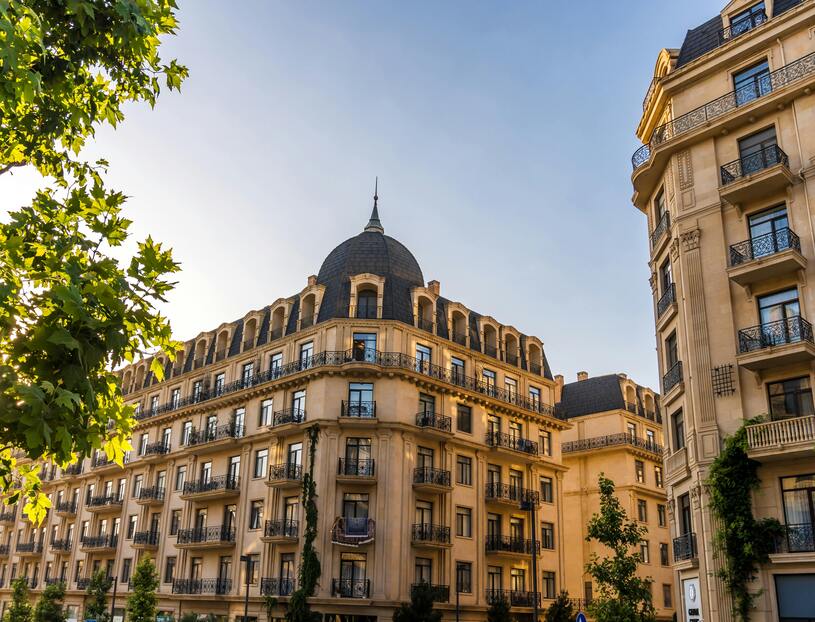
The architectural diversity of Paris offers something for every taste. Haussmannian apartments, with their « stone facades » and grand proportions, remain the most sought-after Property Types in the Historic center. These buildings, found in abundance near the Louvre Museum and the Palais Garnier, offer a « canvas for luxury » that is unmatched. For those seeking something more contemporary, Art Deco residences in the 16th arrondissement or near Trocadéro provide a different kind of elegance, characterized by clean lines and « innovative use of space. » Meanwhile, Private mansions in the 7th arrondissement, near the Invalides, represent the « pinnacle of Parisian luxury, » offering privacy and grandeur in the heart of the city.
In the surrounding Paris region, the variety of housing options expands further. Meulière houses, constructed from local millstone, are a « symbol of suburban prestige » in areas like Saint-Maur-des-Fossés or the outskirts of the Bois de Vincennes. For those looking for more modern living, Modern condominiums near La Défense or Beaugrenelle offer amenities like underground parking and « advanced security systems. » Even more niche options like Artist studios in Montparnasse or Loft conversions near Station F in the 13th arrondissement cater to a « creative and dynamic » demographic. Each property type has its own technical challenges when it comes to renovation, from restoring Half-timbered houses to updating Interwar brick buildings.
Managing the transition: The Acte de Vente and handover
The Acte de Vente final steps represent the culmination of the buying process. This final meeting at the notaire’s office involves the signing of the « final deed of sale » and the transfer of the remaining funds. For many Foreign property buyers Paris, this is a « moment of triumph, » as they officially become the owners of a piece of the City of Light. However, the work is far from over. Immediately following the Title deed transfer, the focus shifts to Property management Paris and the preparation for the renovation phase. This is the point where the « vision for the home » begins to take a tangible form, and the remote management of the project becomes a daily reality.
Managing a handover from a distance requires a « trusted network » of professionals on the ground. From changing the utility contracts to notifying the syndic of the Copropriété, the administrative transition must be handled with efficiency. For buyers from the United States or Canada, the « time zone difference » can be a challenge, making the role of a local project manager or a high-end Interior design Paris firm even more critical. They will ensure that the property is « secure and maintained » while the detailed renovation plans are finalized. This phase is about « bridging the gap » between being a buyer and being an owner, ensuring that the Parisian lifestyle you envisioned is within reach.
The art of renovation: Haussmannian apartment renovation and beyond
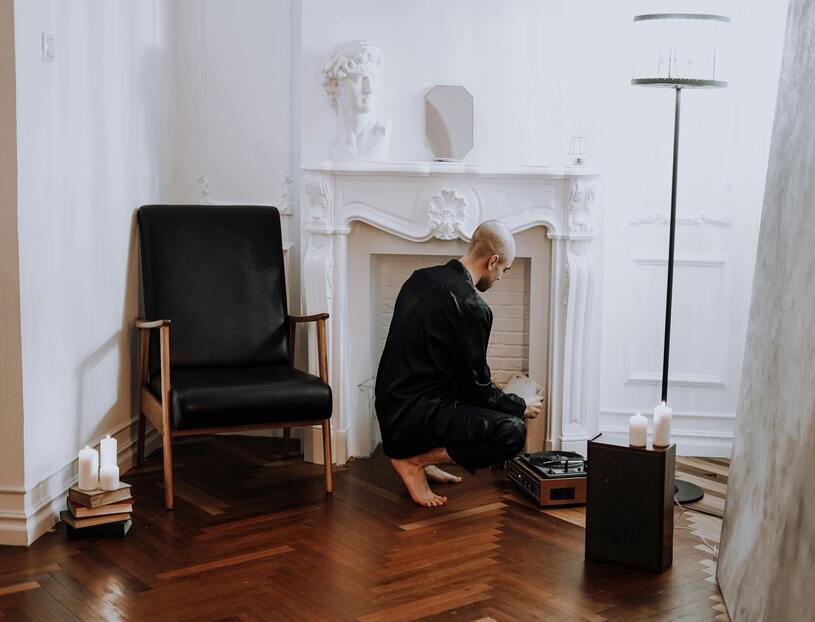
A Haussmannian apartment renovation is a « delicate balance » between Heritage preservation and modern comfort. These properties are often « protected by strict regulations, » requiring an architect who understands how to work with the Architecte des Bâtiments de France (ABF). The goal is often a Period feature restoration, where the original moldings, fireplaces, and oak parquet are meticulously brought back to their former glory. At the same time, the « functional core » of the apartment—the plumbing, electricity, and heating—must be completely modernized to meet « contemporary standards. » This « dual approach » ensures that the apartment retains its soul while providing the « luxury and convenience » expected by international buyers.
One of the most popular trends in Interior design Paris is the Open plan kitchen conversion. Many older apartments have small, « enclosed kitchens » at the back of the property, which no longer suit the « modern way of living. » Opening these spaces to the dining or living area requires structural engineering expertise, especially when dealing with load-bearing walls in centuries-old buildings. Similarly, a Luxury bathroom remodeling project often involves creating en-suite facilities where none existed before, requiring careful planning of « drainage and ventilation » systems. For buyers from Italy, Spain, or Belgium, these « aesthetic and functional » upgrades are essential to creating a home that feels both « historic and contemporary. »
Remote project management: Keeping your renovation on track
Managing a renovation from a distance is a « test of communication » and trust. For Foreign property buyers Paris, the use of technology is indispensable. Many firms now offer « digital project tracking, » providing weekly photo and video updates of the progress at your site near the Gare Saint-Lazare or the Panthéon. This « visual transparency » allows you to see the installation of Bespoke craftsmanship or the application of « high-end finishes » in real-time. Regular « video conferences » with the contractor and the architect ensure that any issues are identified and resolved quickly, keeping the project on schedule and within the Renovation costs per square meter budget.
A successful Project management renovation also depends on a clear « procurement strategy. » Whether it is sourcing « Italian marble » for a kitchen in the 7th arrondissement or « bespoke joinery » from a workshop in the Faubourg Saint-Antoine, the logistics of supply must be managed with precision. For international owners, this often means relying on their local team to « coordinate deliveries » and ensure that all materials meet the French technical standards. This « hands-on management » by the local team allows the owner to focus on the « creative aspects » of the project, such as choosing the « color palette » or selecting the « lighting fixtures » that will define the Parisian lifestyle of their new home.
Understanding the Copropriété: Regulations and charges
In Paris, almost every apartment is part of a Copropriété, the equivalent of a « homeowners’ association. » Understanding the Copropriété regulations is essential for any renovation, as any work affecting the common areas or the « structural integrity » of the building requires formal approval. This includes changing windows, installing air conditioning, or moving water pipes. For Foreign property buyers Paris, the Copropriété charges are an ongoing cost that covers the « maintenance of the building, » the concierge service, and the heating of common areas. These charges can vary significantly depending on the « level of service » and the condition of the building, especially in high-end areas like Place Vendôme or near the Luxembourg Gardens.
The relationship with the syndic (the building manager) and the other co-owners is a « social and legal » reality of living in Paris. A good renovation team will « proactively engage » with the neighbors to minimize the « disruption caused by noise and dust. » In a city where « neighborly harmony » is highly valued, this « considerate approach » is vital for a smooth transition into your new home. For buyers from Germany, Switzerland, or the Netherlands, who often value « order and transparency, » a clear understanding of the internal rules of the building will ensure a « stress-free ownership experience. » The syndic also plays a role in major « capital expenditure » projects, such as a ravalement (facade cleaning) or a « roof repair, » which can impact your long-term Paris real estate investment budget.
Technical innovations: Smart home integration and sustainability
The modern Parisian home is increasingly a « smart home. » Smart home integration Paris allows international owners to « control their property remotely, » from adjusting the heating to monitoring security cameras via a smartphone. This is particularly useful for those who use their apartment as a Pied-à-terre Paris and are away for long periods. Integrating these « technological solutions » into a Haussmannian architecture setting requires a discreet and sophisticated approach to cabling and hardware, ensuring that the « historic aesthetic » is not compromised. From « automated lighting » near the Musée d’Orsay to « climate control » in a loft near République, technology is enhancing the way we live in the city.
Sustainable building materials are also becoming a « standard requirement » for high-end renovations. Whether it is using « natural insulation » or « low-VOC paints, » the focus on « indoor air quality » and energy efficiency is a growing trend. This aligns with the broader goals of the Grand Paris Express impact, which is encouraging more sustainable « urban development » across the entire Paris region. For buyers from Sweden, Canada, or the United Kingdom, these « green credentials » are not just a « lifestyle choice » but a way to « future-proof » their investment. A renovation that improves the DPE energy rating will not only reduce « utility costs » but also increase the « resale value » of the property in a market that increasingly values environmental responsibility.
The final stretch: Interior design and bespoke craftsmanship
As the « structural work » concludes, the focus shifts to the « decorative and finishing » touches. This is where Interior design Paris truly shines, bringing together « art, history, and comfort. » The use of Bespoke craftsmanship is a hallmark of the finest Parisian homes, from « custom-made cabinetry » in a library near Saint-Germain-des-Prés to « hand-forged ironwork » for a staircase in the Marais. These « unique details » are what turn an apartment into a « personal sanctuary, » reflecting the « taste and personality » of the owner. For buyers from the United States, Italy, or China, this is the « most rewarding part » of the journey, as the « vision they held » finally comes to life.
Selecting the right « fabrics, furniture, and art » is a « curatorial process » that often involves visiting the « antique markets » of Saint-Ouen or the « design galleries » of the Left Bank. The goal is to create a « harmonious and elegant » environment that respects the « architectural bones » of the building while introducing « modern flair. » Whether it is a « minimalist aesthetic » for a loft near Canal Saint-Martin or a « classical bourgeois » look for an apartment on Avenue Montaigne, the « attention to detail » is paramount. This final stage is about « polishing the diamond, » ensuring that every « surface and texture » is perfect for the « grand reveal. »
Moving in: Embracing the Parisian lifestyle
The final « move-in day » is the « ultimate reward » for the months of planning and hard work. Arriving at your new home near the Eiffel Tower or the Sainte-Chapelle and seeing it « fully transformed » is a moment of « immense satisfaction. » For Foreign property buyers Paris, the transition into the Parisian lifestyle is about more than just a beautiful home; it is about « integrating into the local community. » From finding your favorite « boulangerie » near Place de la Bastille to enjoying a « morning stroll » in the Tuileries Garden, the city becomes your « living room. » This « cultural immersion » is the « true essence » of owning a property in the world’s most beautiful city.
A Turnkey apartment allows you to « start your new life » immediately, without the « stress of further work. » For those who have managed their renovation remotely, the « seamless handover » of a « fully functioning and decorated » home is the « ideal outcome. » Whether you are hosting a « dinner party » overlooking the Seine or simply enjoying a « quiet evening » by the fireplace, your Parisian home is a « testament to your vision » and the « expertise of your team. » For the international elite, this is the « final step » in a journey that began with a Paris real estate investment and ended with a « lifetime of memories » in the Historic center.
A legacy in the City of Light
Managing a Paris renovation remotely is a « complex but deeply rewarding » endeavor. It requires a « strategic mindset, » a « disciplined approach, » and a « deep respect » for the city’s heritage. From the initial Property hunting in Paris to the final Interior design Paris touches, every decision contributes to the « creation of a legacy. » For buyers from around the world, from Mexico to Singapore, owning and renovating a property in Paris is a « statement of success » and a « commitment to excellence. » The city’s « enduring appeal » ensures that your Paris real estate investment will continue to grow in « value and prestige » for generations to come.
As you settle into your new home, whether it is a Haussmannian apartment in the 8th or a Meulière house in the suburbs, you are now a part of the « rich tapestry » of Parisian life. The journey from Acte de Vente to « moving in » has been a path of « discovery and transformation, » both for the property and for yourself. The « beauty and elegance » of your surroundings are a « daily reminder » of the « vibrant and dynamic » spirit of Paris. In the end, the « true value » of your investment is not just in the « square meters » or the « location, » but in the « quality of life » and the « uniquely Parisian » experiences that await you every day in the City of Light.
FURTHER READINGS
- Rénovation de parquets à Paris 20e : ponçage et vitrification dans le 75020
- Rénovation de parquets à Paris 19e : ponçage et vitrification dans le 75019
- Rénovation Salle de Bain Paris.
- Rénovation de parquets à Paris 18e : ponçage et vitrification dans le 75018
- Rénovation appartement Levallois-Perret : entreprise de peinture, placo et artisans bâtiment 92300
- Travaux de peinture et placo Paris 16 : Rénovation clé en main – 75016
- Rénovation appartement Paris 20 : Peintre, plaquiste et artisans 75020
- Rénovation Salle de Bain Neuilly-sur-Seine 92200
- Optimisation d’espace et DPE à Paris : Confort moderne et performance dans l’ancien
- Rénovation énergétique : Passer du DPE G à D sans perdre le cachet
- Rénovation de parquets à Paris 17e : ponçage et vitrification dans le 75017
- Rénovation énergétique et isolation d’un appartement haussmannien à Paris : Solutions sur mesure et optimisation de l’espace
- Entreprise de peinture Charenton-le-Pont : Rénovation d’appartement et studios 94220
- Entreprise de peinture Vincennes : Rénovation d’appartement ancien et finitions de prestige 94300
- Entreprise de peinture Neuilly-sur-Seine : Rénovation appartement de luxe et finitions soignées 92200
- Travaux de Peinture Paris : Votre Devis Gratuit au Meilleur Prix m2 (75)
- Peintre plaquiste à Paris 7 : artisans carreleurs, parquettistes, enduiseurs, tapissiers et plombiers (75007)
- Peintre plaquiste à Boulogne-Billancourt : artisans carreleurs, parquettistes, enduiseurs, tapissiers et plombiers (92100)
- Peintre plaquiste à Paris 20 : artisans carreleurs, parquettistes, enduiseurs, tapissiers et plombiers (75020)
- Isolation acoustique et phonique appartement Paris 8 : Solutions de doublage de murs et faux plafonds au Triangle d’Or