
Interior Renovation & Remodeling in Paris
Embarking on an interior renovation in Paris can be an exciting yet complex endeavor, blending the city’s rich architectural heritage with modern living needs. Whether you’re refreshing a haussmannian apartment or undertaking a full-scale remodeling, success hinges on meticulous planning, awareness of local challenges, and partnering with reliable professionals. This guide walks you through how to plan and execute your project, from initial ideas to completion, highlighting the role of English speaking builders in Paris for seamless communication. With the right approach, you can transform your space into a functional, stylish haven while navigating Paris’s unique urban landscape.
Start by defining your vision: assess your space’s current state, identify must-have features like open-plan layouts or energy-efficient upgrades, and set a realistic budget. Research interior remodeling in Paris inspirations from local showrooms or online galleries, considering how trends like curved forms and regenerative materials can enhance your design. Next, consult regulations—Paris’s strict building codes, especially in historic districts, require permits for structural changes. Engage an architect early if needed, particularly for load-bearing alterations.
Once your plan takes shape, seek free quotes from reputable builders. Opt for English speaking builders in Paris to avoid miscommunications, especially if you’re an expat. Provide detailed briefs, including floor plans and material preferences, to receive accurate estimates. Compare multiple quotes, focusing on timelines, warranties, and references. Upon selection, formalize with a contract outlining scopes, payments, and contingencies. During execution, maintain regular site visits or virtual check-ins, addressing issues promptly. Finally, conduct a thorough walkthrough post-completion to ensure satisfaction before final payment.
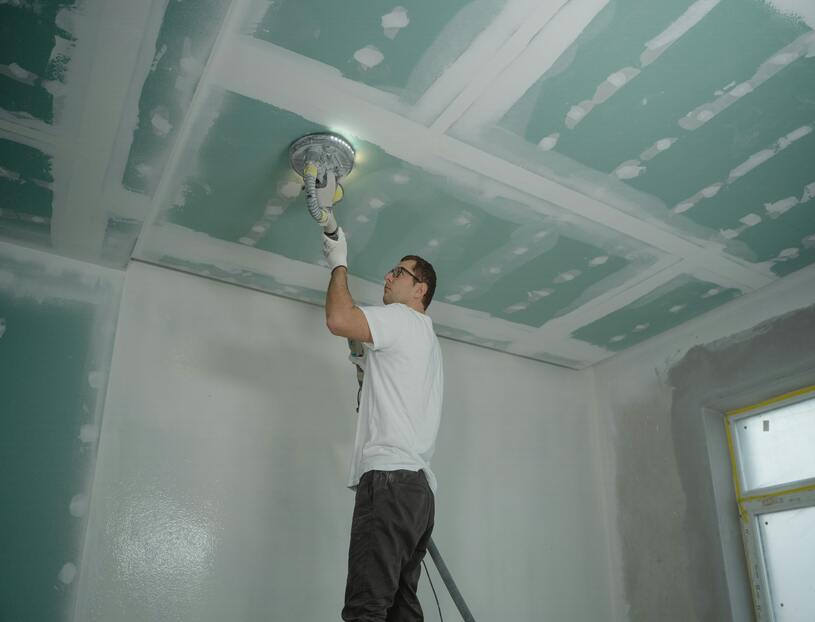
Planning Your Interior Renovation Project
Effective planning is the cornerstone of any successful interior renovation in Paris. Begin with a self-audit: measure your space, note structural elements like high ceilings or original moldings, and list pain points such as outdated wiring or insufficient natural light. Define your goals—perhaps creating a fluid, open kitchen in a compact studio or incorporating smart home features in a larger duplex. Budgeting is crucial; allocate 10-20% for contingencies given Paris’s unpredictable discoveries in older buildings.
Research is key: explore platforms like Pinterest or local design fairs for ideas, and consult with interior designers who specialize in Parisian aesthetics. For expats, partnering with English speaking builders in Paris from the outset ensures clarity. They can guide you on sourcing materials locally, from artisanal tiles in the Marais to sustainable woods near the Bois de Boulogne.
Secure necessary approvals: contact your arrondissement’s mairie for permits, especially for plumbing or electrical work. In protected areas near landmarks like the Louvre, involve the Architectes des Bâtiments de France. Timeline your project—light renovations might take weeks, while heavy remodeling spans months. Factor in seasonal disruptions, like summer holidays when tradespeople are scarce.
Finally, assemble your team: architects for designs, builders for execution, and specialists for niches like custom cabinetry. Request free quotes detailing breakdowns, and choose based on experience with similar projects. This structured approach minimizes stress and maximizes outcomes in the dynamic Parisian context.
Challenges in Interior Remodeling in Paris
Interior remodeling in Paris presents unique hurdles due to the city’s dense urban fabric, historic buildings, and regulatory framework. One primary challenge is space constraints: many apartments feature narrow stairwells and small elevators, complicating material transport and waste removal. In arrondissements like the 1st or 4th, with their medieval layouts, maneuvering large items requires creative solutions, such as hoisting through windows, which can inflate costs and timelines.
Historical preservation adds complexity; haussmannian structures demand careful handling of original features like parquet floors or stucco ceilings. Alterations risk violating heritage laws, necessitating expert assessments to avoid fines or rework. Logistical issues abound: parking restrictions near boulevards like the Champs-Élysées hinder site access, while noise ordinances limit work hours in residential areas.
Budget overruns are common from unforeseen issues, like discovering asbestos in pre-1970s buildings or unstable foundations in flood-prone zones along the Seine. Coordinating multilingual teams can lead to misunderstandings, underscoring the value of English speaking builders in Paris. Sustainability mandates, emphasizing low-VOC materials and energy efficiency, require specialized knowledge to comply without compromising design.
Overall, these challenges demand flexibility and expertise, turning potential pitfalls into opportunities for innovative, resilient spaces that honor Paris’s legacy while embracing modernity.
Specific Challenges Across Renovation Areas
Delving into specific aspects of interior renovation in Paris reveals targeted challenges that can impact your project.
Painting, a seemingly straightforward task, faces hurdles from uneven historic walls requiring extensive preparation like plaster repairs. High humidity near the Seine promotes mold, necessitating anti-fungal primers, while ornate moldings demand precision to preserve details. In densely populated areas, odor control is vital to avoid neighbor complaints, often mandating eco-friendly, low-odor paints.
Interior decoration encounters sourcing issues: authentic French antiques or custom fabrics from the Saint-Germain-des-Prés district can be pricey and lead-time intensive. Balancing eclectic trends with classic Parisian elegance risks visual clutter in small spaces, while lighting placement must account for low natural light in courtyard-facing apartments.
Electric renovation is fraught with outdated systems in older buildings, where knob-and-tube wiring poses fire risks. Upgrading to modern standards involves wall chases that disrupt aesthetics, and obtaining EDF approvals for increased loads can delay projects. In luxury remodels, integrating smart tech without visible cables adds complexity.
Plumbing work battles corroded pipes in pre-war structures, often requiring full replacements to meet hygiene norms. Limited space for new fixtures in compact bathrooms demands innovative layouts, while water pressure variations in high-rises complicate installations.
Floor renovation grapples with uneven subfloors from settling foundations, especially in the Marais’s marshy origins. Preserving original herringbone parquet while adding underfloor heating involves skilled craftsmanship, and noise from sanding can violate co-op rules.
Bathroom renovation amplifies humidity challenges, with poor ventilation leading to condensation. Tiling on irregular walls requires custom cuts, and integrating modern amenities like walk-in showers in tiny footprints tests spatial planning.
Kitchen renovation, a focal point of remodeling, deals with ventilation mandates for gas stoves and integrating appliances into historic cabinetry. Open-plan conversions may need structural reinforcements, escalating costs in load-bearing scenarios.
Addressing these requires seasoned professionals to navigate technical and regulatory mazes for flawless results.
Current Trends in Interior Renovation
Present trends in interior renovation in Paris emphasize regenerative luxury, where spaces restore and evolve over time. Regenerative design prioritizes materials that improve with age, like self-patinating metals or adaptive textiles, creating soulful environments that nurture well-being.
Curved forms dominate, softening rigid layouts with rounded sofas, elliptical tables, and arched thresholds for fluid, socially oriented spaces. This human-centric approach fosters connection, seen in versatile seating that adapts to indoor-outdoor living.
Textiles steal the spotlight: a damask revival brings opulent patterns, while painterly plaids and richly textured trims like tasselled fringes add layered details. Craft-focused fabrics, including jacquards with luminous sheens and graphic performance materials, blend historic references with modern utility.
Architectural elements shine through thoughtful details, such as panoramic wallcoverings depicting scenic vistas or built-in borders for seamless transitions. Bold geometries, softened by handcraft, pair with expressive patterns that drive visual momentum.
Color palettes follow the Nouvelle Haussmann style: 60% warm neutrals, 30% earth tones, and 10% accents for balanced, deepening chromatics. Marble emerges expressively, veined slabs drenching surfaces for dramatic impact.
Large-scale art integrates Pop Art vibrancy and Superflat influences, transforming walls into galleries. Florals, Renaissance nods, animal tributes, and geometric experiments infuse personality.
Home automation weaves in discreetly, enhancing functionality without detracting from aesthetics. These trends, rooted in Parisian elegance, promote sustainable, expressive interiors that evolve with inhabitants.
Executing Your Renovation Project Successfully
With planning complete, execution brings your interior renovation in Paris to life. Begin with site preparation: protect existing features and establish dust barriers, crucial in shared buildings to maintain good relations with syndics.
Coordinate trades seamlessly—schedule electricians before plasterers, plumbers before tilers—to avoid bottlenecks. English speaking builders in Paris facilitate this, translating technical discussions and ensuring compliance with French standards.
Monitor progress through milestones: weekly updates track adherence to timelines and budgets. Address changes via formal addendums to prevent disputes. For remodeling, reinforce structures early, using techniques like IPN beams for openings.
Incorporate trends mindfully: select regenerative materials from local suppliers in the Faubourg Saint-Antoine for authenticity. Test samples on-site for lighting and color accuracy, adapting to Paris’s variable natural light.
Sustainability is key: opt for energy-efficient appliances and recycled elements to qualify for eco-subsidies. Final stages include deep cleaning, touch-ups, and commissioning reports for warranties.
Post-execution, enjoy your renewed space, knowing thorough oversight yielded a harmonious blend of function and style.
At XproReno, we offer all kinds of interior renovation services, and as a bilingual team, there are no communication problems with ‘English-speaking expats’ during project execution. Our prices and rates are very competitive. This article is to help you about all important factors regarding interior renovation costs. We are available throughout Île-de-France, with free quotes, and we specialize in Paris, Val-de-Marne, Hauts-de-Seine, Seine-Saint-Denis, and Yvelines. For broader coverage, we serve cities like Sucy-en-Brie, Saint-Mandé, Charenton-le-Pont, Maisons-Alfort, Arcueil, Cachan, Gentilly, L’Haÿ-les-Roses, Chevilly-Larue, Fresnes, Rungis, Ville-d’Avray, Vaucresson, Saint-Cloud, Sevran and Livry-Gargan. Contact us to bring your vision to life affordably and expertly.
EN SAVOIR PLUS
Entreprise de rénovation et peinture Paris | artisan peintre en bâtiment Paris | estimation travaux peinture gratuite Paris | rénovation complète appartements Paris 1er | expert peintre en bâtiment Paris 20e | devis gratuit peinture et décoration Paris | High-end luxury renovation company in Paris | travaux de rénovation Paris 2e | aménagement intérieur Paris 3e | peinture en bâtiment Paris 2e | société de peinture Paris 3e | rénovation d’appartements Paris 4e | entreprise peinture Paris 4e | peintre d’intérieur Paris 5e | société de rénovation Paris 6e | rénovation de studio Paris 5e | installation de faux plafond Paris | peintre décorateur Paris 6e | pose de parquet et carrelage Paris | rénovation de biens immobiliers Paris 7e | entreprise de peinture Paris 8e | rénovation d’appartements Paris 9e | artisan peintre décorateur Paris 8e | peinture en bâtiment Châtillon | rénovation d’intérieur Neuilly-sur-Seine | expert en rénovation Vincennes | Home renovation in Boulogne Billancourt | premium home renovation company in Paris | tarifs pour rénover un appartement Paris | entreprise générale du bâtiment Val-de-Marne | travaux de réfection Hauts-de-Seine | société de peinture Seine-et-Marne | entreprise de rénovation Val-d’Oise | travaux peinture et bâtiment Seine-Saint-Denis | rénovation intérieure sur mesure Essonne | pose de toile de verre et faux plafond Yvelines | apartment remodeling company in Paris 16th | home renovation experts Paris 15th | interior design and painting Paris 7th | rénovation de studios Paris 10e | travaux de peinture intérieure Paris 11e | société de rénovation Paris 12e | artisans peintres en bâtiment Paris 13e | rénovation d’appartements intérieure Paris 14e | devis de rénovation intérieure Paris 15e | peinture et rénovation Paris 16e | travaux de peinture en appartement Paris 17 | coût pour travaux de rénovation Paris | rénovation énergétique et domotique Paris 18e | agencement intérieur Paris 75019 | peintre d’intérieur Paris 17e | Pose de cloisons et faux plafonds Paris 19e | rénovation d’appartements et studios Paris 20e | réfection bureaux et appartements Courbevoie | entreprise de travaux bâtiment Créteil | artisan peintre en bâtiment Charenton-le-Pont | apartment renovation pricing in Paris | travaux d’enduit et peinture Gentilly | rénovation domotique et électrique Paris 18e | décoration intérieure Paris 75019 | peintre en bâtiment Paris 17e | Pose de faux plafonds suspendus Paris 19e | rénovation appartements et pied-à-terre Paris 20e | rénovation de bureaux et commerces Courbevoie | entreprise spécialisée rénovation Créteil | peinture en bâtiment Charenton-le-Pont | home renovation cost estimation Paris | application d’enduit et peinture Gentilly | rénovation bureaux et résidences Bry-sur-Marne | entreprise de peinture Saint-Mandé 94160 | estimation rénovation appartements Châtillon | home remodeling contractors Boulogne-Billancourt | pose de revêtements sols et murs Paris | travaux de plomberie générale Paris | travaux de maçonnerie à Paris | Property renovation company in Paris | Guide des tarifs | Travaux Peinture Nation Paris, | Renovation domotique Paris |