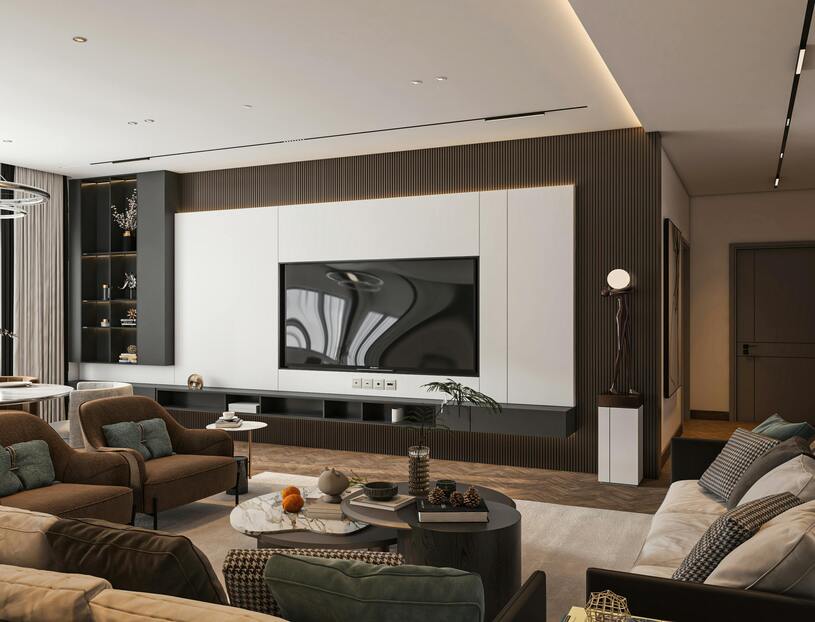
Renovation of Haussmannian Apartment in Paris: Helpful Tips
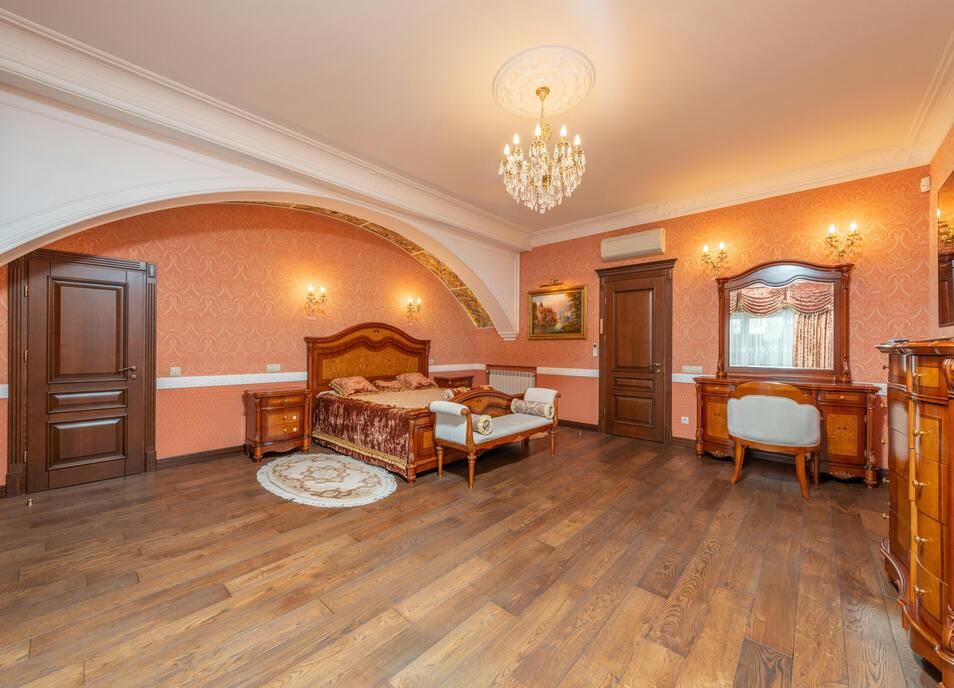
Haussmannian apartments in Paris represent the epitome of 19th-century urban elegance, born from Baron Georges-Eugène Haussmann’s ambitious renovation of the city under Napoleon III between 1853 and 1870. Tasked with modernizing an overcrowded, unsanitary medieval Paris, Haussmann orchestrated a massive transformation, demolishing narrow alleys to create wide boulevards, parks, and uniform residential blocks. These apartments, typically in five- to six-story buildings, feature cream-colored Lutetian limestone facades with wrought-iron balconies, ornate cornices, and mansard roofs, aligning harmoniously along streets like the Champs-Élysées or Boulevard Haussmann. Interiors boast high ceilings (often 3-4 meters), herringbone parquet floors, intricate plaster moldings, marble fireplaces, and large windows flooding spaces with light. The vertical social structure placed luxurious “noble” floors on the second level with balconies, while upper stories housed smaller units and attics for servants. Today, these timeless properties symbolize Parisian prestige, blending historical charm with potential for contemporary living, making them highly sought after by expats and locals alike.
Renovating a Haussmannian apartment in Paris involves a delicate balance of preservation and modernization, where the goal is to enhance functionality without erasing its architectural soul. The process typically starts with restoring original elements like parquet floors and moldings, while updating systems for energy efficiency and comfort. Challenges abound: strict regulations from the Architectes des Bâtiments de France require approvals for any facade or structural changes in protected zones, potentially delaying projects by months. Structural integrity issues, such as settling foundations or outdated load-bearing walls, demand expert assessments to avoid compromising the building’s stability. High ceilings complicate insulation and lighting installations, while narrow stairwells hinder material transport. Humidity from the Seine can cause wood rot or mold, necessitating specialized treatments. English speaking builders in Paris are invaluable for expats, navigating these hurdles with bilingual expertise to ensure compliance and quality.

Planning Your Haussmannian Renovation
Planning a renovation of Haussmannian apartment in Paris begins with a thorough assessment: hire an architect or surveyor to evaluate the space, identifying preserved features like fireplaces and ceilings. Define your vision—perhaps opening up rooms for better flow while retaining period details. Budget realistically: expect €1,000-€2,000 per square meter for moderate updates, with contingencies for surprises. Research incentives like MaPrimeRénov’ for energy-efficient upgrades.
Secure permits early: submit dossiers to the local mairie and, if needed, the heritage authorities. For expats, partner with English speaking renovation contractors in Paris to handle paperwork seamlessly. Timeline wisely—avoid peak seasons when labor is scarce. Source materials that match originals, like French oak for floors, from suppliers in the Faubourg Saint-Antoine. This foundational planning ensures a smooth transition to execution, safeguarding the apartment’s heritage value.
Executing Interior Remodeling and Renovation
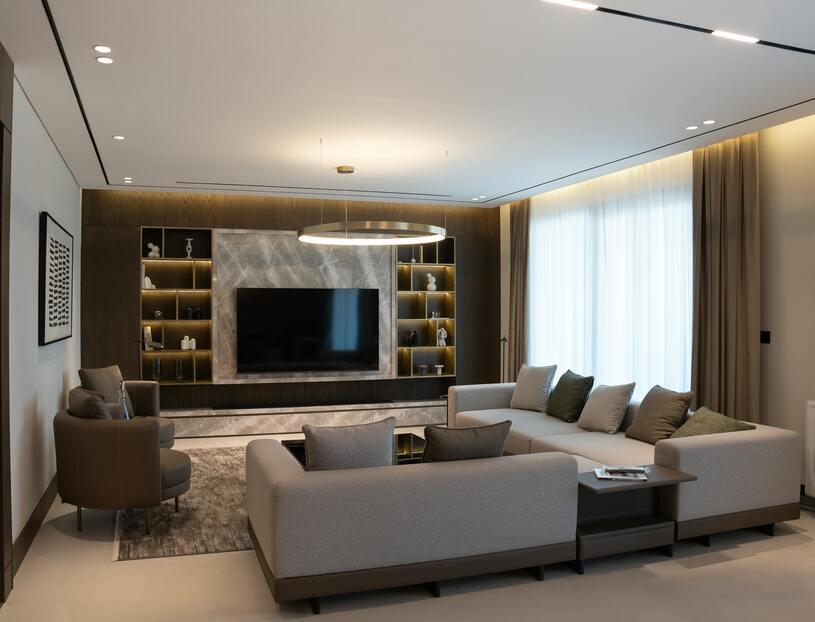
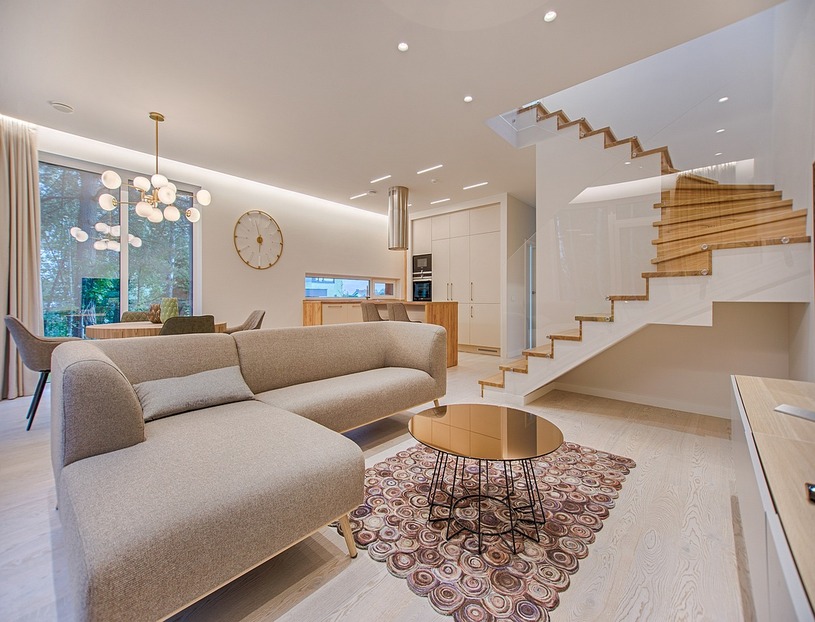
Interior remodeling in Paris for Haussmannian apartments focuses on reconfiguring spaces without altering the facade. Plan by consulting structural engineers to safely remove non-load-bearing walls, creating open-plan areas. Execution tips: use temporary shoring during modifications, and integrate hidden storage to maintain elegance. Challenges include preserving the vertical alignment of rooms across floors in multi-unit buildings.
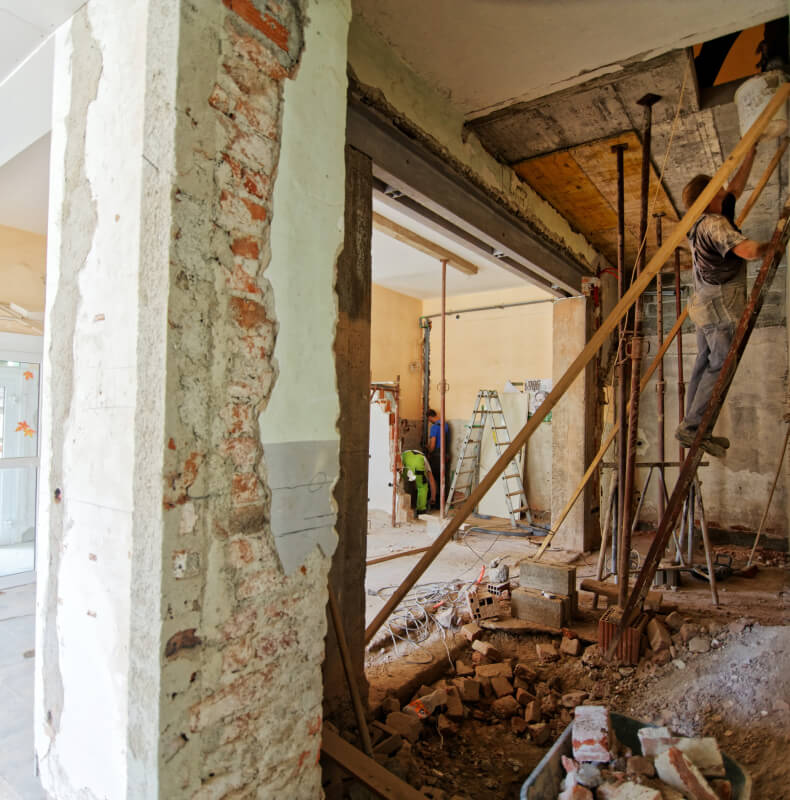
General interior renovation revives the apartment’s charm: restore moldings with plaster experts, and update insulation behind walls for better acoustics and energy savings. Tips: phase work to minimize disruption, starting with less invasive tasks. Demolition must be controlled—use diamond saws for precision cuts, avoiding vibrations that could damage neighboring units. Dispose of debris via eco-friendly services, as Paris enforces strict waste regulations.
Space creation leverages high ceilings: add mezzanines for lofts or home offices, ensuring compliance with height minimums. Install retractable stairs for accessibility. For expats, home renovation contractors in Paris with bilingual teams clarify these steps, preventing costly errors.
Electric and Floor Renovation Strategies
Electric renovation is essential in Haussmannian apartments, where antique wiring poses safety risks. Plan an audit to map circuits, then upgrade to modern panels with grounded outlets. Execution: embed new wiring in baseboards or behind moldings to avoid visible chases. Tips: incorporate smart lighting for ambiance, dimmable to highlight ornate ceilings. Challenges: limited access in thick walls requires creative routing, and heritage rules may prohibit surface-mounted fixtures.
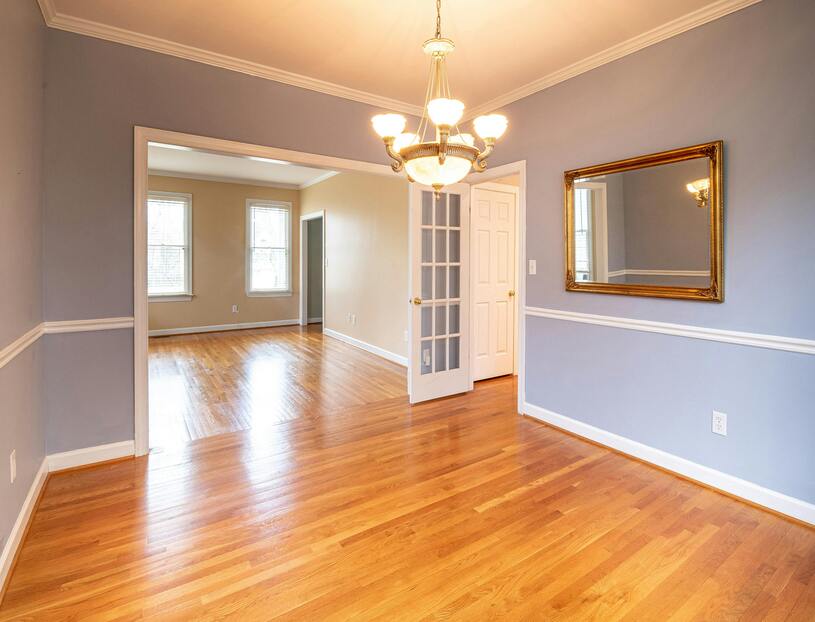
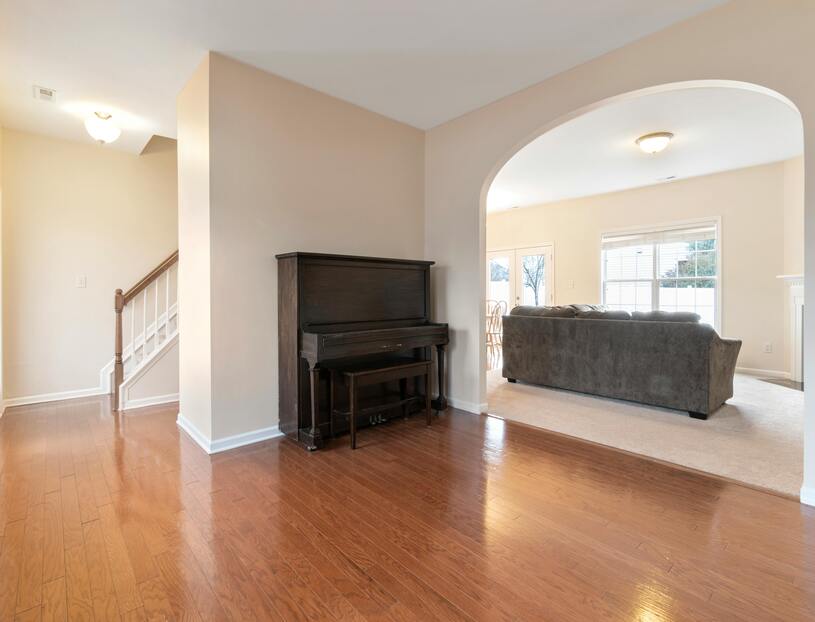
Floor renovation honors the iconic parquet: assess for damage, then sand and refinish with eco-varnishes. For worn areas, source matching wood from salvage yards. Tips: add underfloor heating discreetly, using thin mats to preserve height. Execution: acclimate materials to the apartment’s humidity to prevent gaps. In flood-prone areas near the Seine, opt for water-resistant underlays. English speaking builders in Paris ensure these upgrades blend seamlessly with the original aesthetic.
Kitchen and Bathroom Renovation Tips
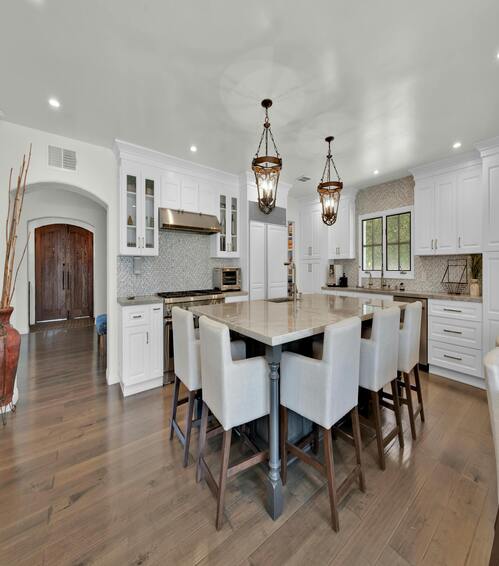
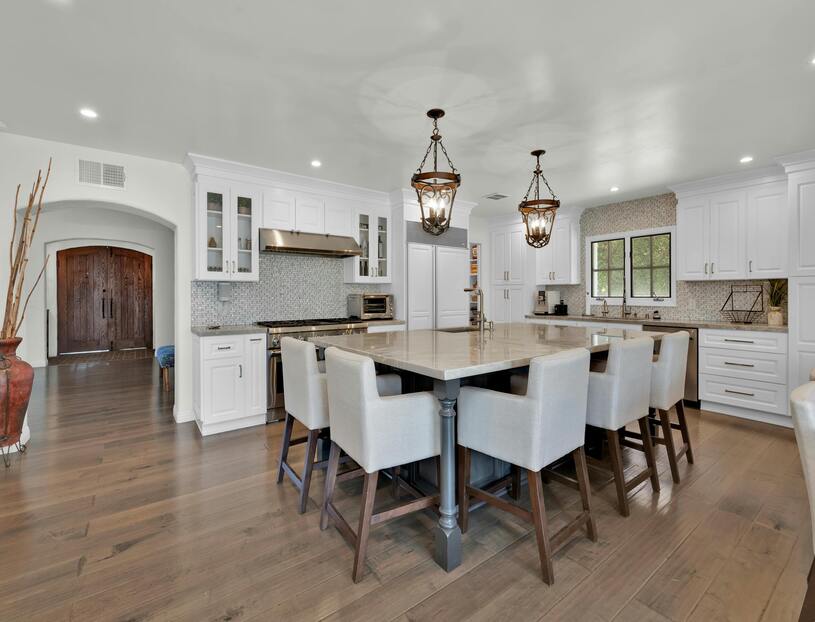
The most significant challenge in a Haussmannian renovation is the reconfiguration of space. Historically, the kitchen was a functional “service room” tucked away at the back of the apartment, accessible via the service staircase. In a 2026 luxury renovation, the goal is typically to bring this space into the heart of the home. However, moving a kitchen in these buildings is rarely a simple “plug and play” affair. You are often dealing with thick load-bearing walls and antique chimney flues that cannot be removed without extensive structural studies and the explicit approval of the Syndic (the building’s co-ownership association). Furthermore, the drainage systems in these buildings are often narrow and vertically aligned in ways that make relocating a sink or a dishwasher a feat of engineering. Experienced home renovation contractors in Paris know that managing these plumbing gradients is the difference between a sleek modern kitchen and a perennial drainage nightmare.
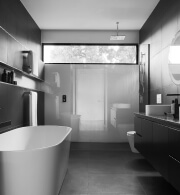
The bathroom presents its own set of “luxury hurdles.” Modern expectations for a master suite often involve heavy natural stones, such as Calacatta marble, and large freestanding bathtubs. In a Haussmannian setting, the floor joists—usually made of old oak or lath and plaster—may not be rated for the localized weight of a 200kg stone tub filled with water. Reinforcing these floors without damaging the ornate plaster ceilings of the neighbor below is a delicate operation. Additionally, moisture control is a critical concern in apartments built with porous limestone. Without a high-performance, dual-flow ventilation system (VMC), the steam from a high-end rain shower can quickly degrade original wood panels and moldings.
Technical compliance in 2026 has also become more stringent due to the latest Diagnostic de Performance Énergétique (DPE) reforms. As of January 1, 2026, the new electricity conversion coefficient of 1.9 means that while some apartments have received a “breathing room” in their energy ratings, the pressure to integrate high-efficiency heating and insulation remains high. For a luxury renovation, this means discreetly hiding modern electrical panels and smart home hubs behind bespoke cabinetry or within “lost” spaces like old chimney alcoves. The challenge is to achieve a C-rated energy efficiency without stripping the apartment of its soul. You want the comfort of underfloor heating without losing the original herringbone parquet, a task that requires a master floor specialist.
Navigating the administrative labyrinth is perhaps where the expertise of English speaking renovation contractors in Paris is most valuable. Beyond the aesthetic choices, every major change—from replacing drafty single-pane windows with high-performance double-glazing to modifying a water pipe—requires a Déclaration Préalable or a full building permit if it affects the building’s exterior or structural integrity. Dealing with the Architectes des Bâtiments de France (ABF) ensures that your “modern touch” respects the historical heritage of the city.
Ultimately, a successful renovation in a luxury Parisian apartment is about the “dialogue between eras.” It is about finding the perfect shade of Farrow & Ball paint that catches the North-facing Parisian light, while ensuring the plumbing hidden behind the wall is state-of-the-art. It is an investment in both lifestyle and legacy. To ensure your vision is translated perfectly into reality without the friction of a language barrier, partnering with the right team is essential.
Interior Painting and Decoration Advice
Interior painting refreshes Haussmannian apartments: select matte finishes for walls to accentuate moldings, using heritage-approved colors like soft grays or creams. Plan testing swatches under natural light, as large windows vary tones. Execution: repair plaster first, then apply with brushes for precision around details. Tips: use breathable paints to prevent moisture buildup.
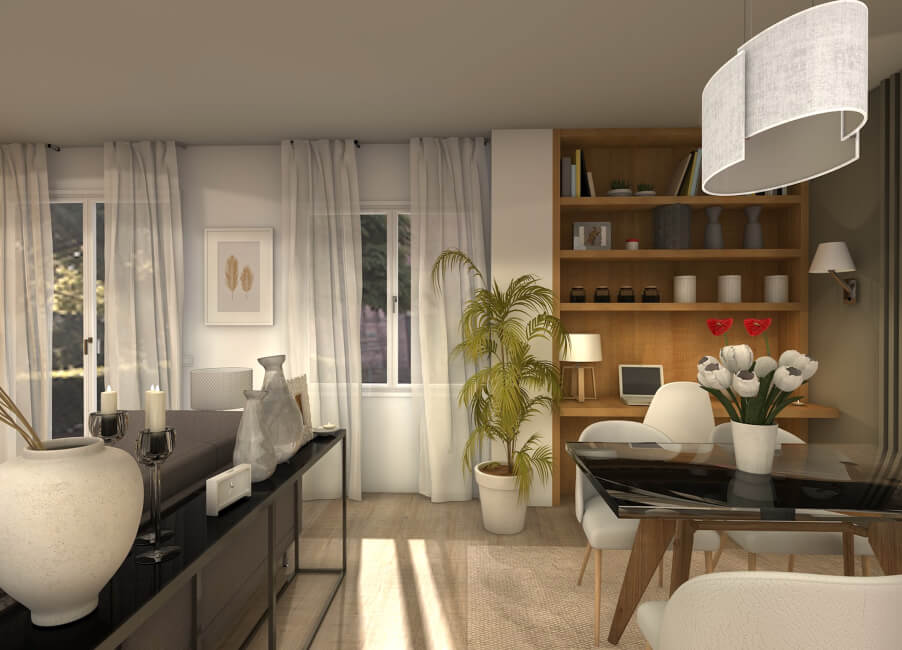
Decoration complements the architecture: hang mirrors to amplify space, and layer rugs over parquet for warmth. Tips: source antiques from Les Puces for authenticity, blending with modern art. Execution: position furniture to highlight fireplaces as focal points. Challenges: heavy chandeliers require reinforced ceilings. Home renovation contractors in Paris offer design consultations to harmonize old and new.
At XproReno, we offer all kinds of interior renovation services, and as a bilingual team, there are no communication problems with English-speaking expats during project execution. Our prices and rates are very competitive. This article is to help you about all important factors regarding interior renovation costs. We are available throughout Île-de-France, with free quotes, and we specialize in Paris, Val-de-Marne, Hauts-de-Seine, Seine-Saint-Denis, and Yvelines. For broader coverage, we serve cities like Marly-le-Roi, Le Vésinet, Croissy-sur-Seine, Chatou, Le Pecq, Montesson, Carrieres-sur-Seine, Houilles, Sarcelles, Villiers-le-Bel, Gonesse, Garges-lès-Gonesse, Arnouville, Goussainville, Villemomble and Les Pavillons-sous-Bois. Contact us to preserve and enhance your Haussmannian gem with expertise and affordability.